Every wildlife trapper I know spends more time finding how animals enter a structure than setting traps. Anyone can bait a cage and catch a wandering raccoon. Stopping the next raccoon takes a different discipline. The craft is part detective work, part building science, and a lot of patient observation. If you want durable wildlife control, you need to think like the animal and read the house like a map.
I have crawled through powder-dry attics, snake-thick crawlspaces, and roofs steep enough to make a mountain goat reconsider. The patterns repeat across neighborhoods, climates, and species. Squirrels rarely improvise. Rats exploit the same weaknesses year after year. Bats are loyal to familiar seams. Once you learn the tells, you see them everywhere: a smudge on aluminum, a line of guano under a gable vent, or a faint path pressed into attic insulation. The secrets below are not gimmicks. They are methods professional trappers lean on to locate primary entry holes and the secondary gaps animals will use once you block the first.
The difference between a sighting and a source
A customer points to a soffit where they saw a squirrel slip in at dusk. That is a lead, not proof. Animals test multiple openings. They explore. The hole you see may be a scout route, not the main door. Pros distinguish between access, interest, and commitment. Commitment shows up as wear: oil transfer, rubbed edges, displaced insulation, and droppings near the entry path.
One winter in a 1950s Cape, I watched a squirrel peeking through a dormer return every evening. The obvious opening under the dormer lip measured less than an inch. Too tight for an adult fox squirrel. The real entry was twenty feet away at the ridge where a roofer cut the shingle tips too short. The dormer gap was a lookout, not the door. When we sealed the ridge with a hardware cloth skirt and ridge vent retrofit, the problem ended. If I had patched the dormer lip alone, we would have been back within a week.
Reading the building like an animal would
Animals do not care about property lines, but they love linear routes. A fascia board becomes a highway. A cable line is a bridge. A fence touching a roof corner is a ramp. When I approach a structure, I look for these. Squirrels want elevation, rats want cover, raccoons want leverage, and bats want stillness and shelter. Each preference turns into predictable entry patterns.
Elevated edges attract squirrels, especially along gables, soffit returns, and the intersection of roof planes. Bats prefer consistent gaps close to a thermal mass, often at ridge vents and behind fascia trim. Rats hug vegetation and grade, then push through irregularities at foundation vents and AC line penetrations. Raccoons prize attic access that lets them enter with less effort, such as loose attic fans or rotten fascia they can pry with https://telegra.ph/Wildlife-Trapper-Tools-of-the-Trade-What-Professionals-Use-01-31 hands strong enough to open a cooler.
Walk the line an animal would choose. From the nearest tree limb, follow the path of least noise and exposure to a shaded soffit. From a ground-level shrub to an AC lineset, look for a hand-off to a mortar joint, then a downspout. Each junction is a candidate. Stand back, squint, and see the routes that connect. The probable entry points sit where those routes meet a weak spot.
Signs that separate fresh activity from old damage
Homeowners sometimes show me a hole chewed years ago. The difference between a current opening and an abandoned one is tactile as much as visual.
Fresh chew marks have sharp, pale edges. Old chew darkens and rounds off, or it fills with dirt and spider webs. Oiled rub marks appear as dark streaks near tight passage points. If the mark is clean and glossy, traffic is ongoing. A powdery, matte smudge is likely historical. Look at droppings for moisture, color, and texture. Glossy pellets with defined edges indicate recent use. Collapsed, dusty droppings usually mean older deposits.
On the exterior, I check for compressed or bent mesh near vents. I have seen bats slip through warped attic screens that looked intact from below, but the metal flexed enough for a finger to pass. Rodents press their bodies against edges, leaving whisker grease on painted surfaces. Under eaves, guano often falls in a fan pattern, a sign of bat emergence just above.
Inside attics, disturbed insulation tells a story. Straight tracks through blown cellulose suggest rats. Wider troughs with crushed batting point to raccoons moving their weight. Squirrels tend to tunnel with stops at joist bays where they cache debris. If you see a round nest of leaves near a gable, the entry is often within a three foot radius of that point, usually behind sheathing defects or at the juncture of soffit and roof deck.
Tools that give pros an edge
You do not need a van full of gadgets to find entry points, but the right tools shorten the search and reduce guesswork. I carry a headlamp with two brightness settings, a thermal camera, a compact borescope, smoke pencils, UV flashlight, and a handful of mirror and magnet tools. The goal is to see into tight spaces and visualize airflow and heat exchange. Animals follow airflow. Heat leaks reveal gaps that mouths can enlarge.
The thermal camera, even an entry-level model, highlights temperature differences around vents, chimneys, and soffits. On a cool morning, a warm plume at a soffit panel often marks an open bay to the attic. That is not proof of wildlife entry, yet it narrows the field. A borescope slips through a knot hole or lifted shingle to show you what sits on the other side. I have followed a rat runway inside a wall cavity using nothing but the borescope and the sound of tiny feet.
Smoke pencils reveal draft in subtle gaps. Cracks draw smoke inward with a steady, narrow pull. In a bat job on a stone farmhouse, the smoke told me which of a dozen mortar gaps actually connected to the attic void. UV flashlights make urine fluoresce. In crawlspaces, the glow outlines rodent highways and pinpoints where they squeeze past a sill plate.
A mirror on a telescoping handle lets you see the back of a gable vent without a ladder contortion act. A magnet tells you whether a screen is steel or aluminum, which matters when planning wildlife exclusion. Aluminum warps easily, steel resists but rusts at staple points. Details like that decide whether you upgrade the entire vent or add a flange and fastener pattern that holds up against probing claws.
Species-by-species entry habits
Not all teeth and paws behave the same. If you know what you are likely dealing with, you can prioritize.
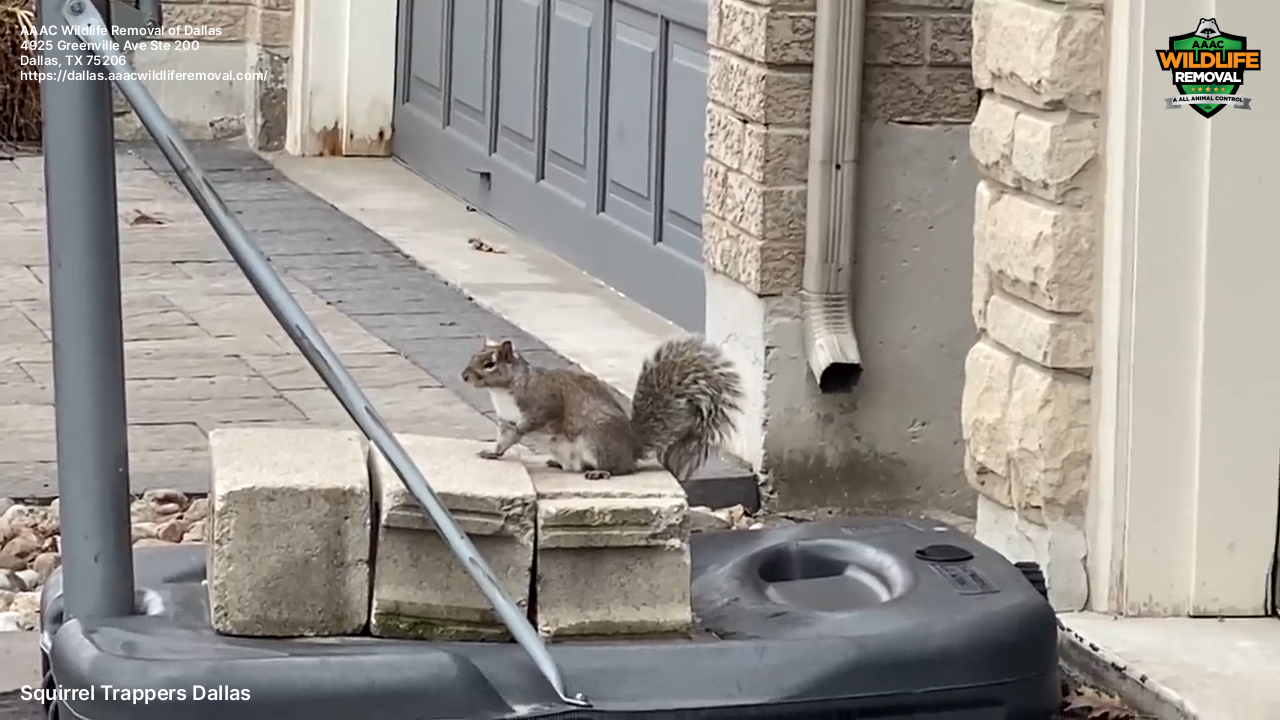
Squirrels prefer elevated, sun-warmed areas and can fit through openings as small as 1.5 inches if the edge gives. They often chew new openings at a corner where two materials meet, such as the soffit-board to fascia junction. If you hear daytime activity with rolling noises, such as acorns or walnuts, think squirrels. Expect entry near gable returns, dormer corners, and loose drip edges.
Rats squeeze through depressions at grade and work their way up. Norway rats favor ground-level utility penetrations and foundation vents with gaps larger than a quarter inch. Roof rats climb vegetation and love ivy. They exploit the gap behind downspouts and along siding laps. A half inch opening is ample. Look for polished edges on pipe chases, small burrows at slab edges, and dark trails along fence lines leading to the house.
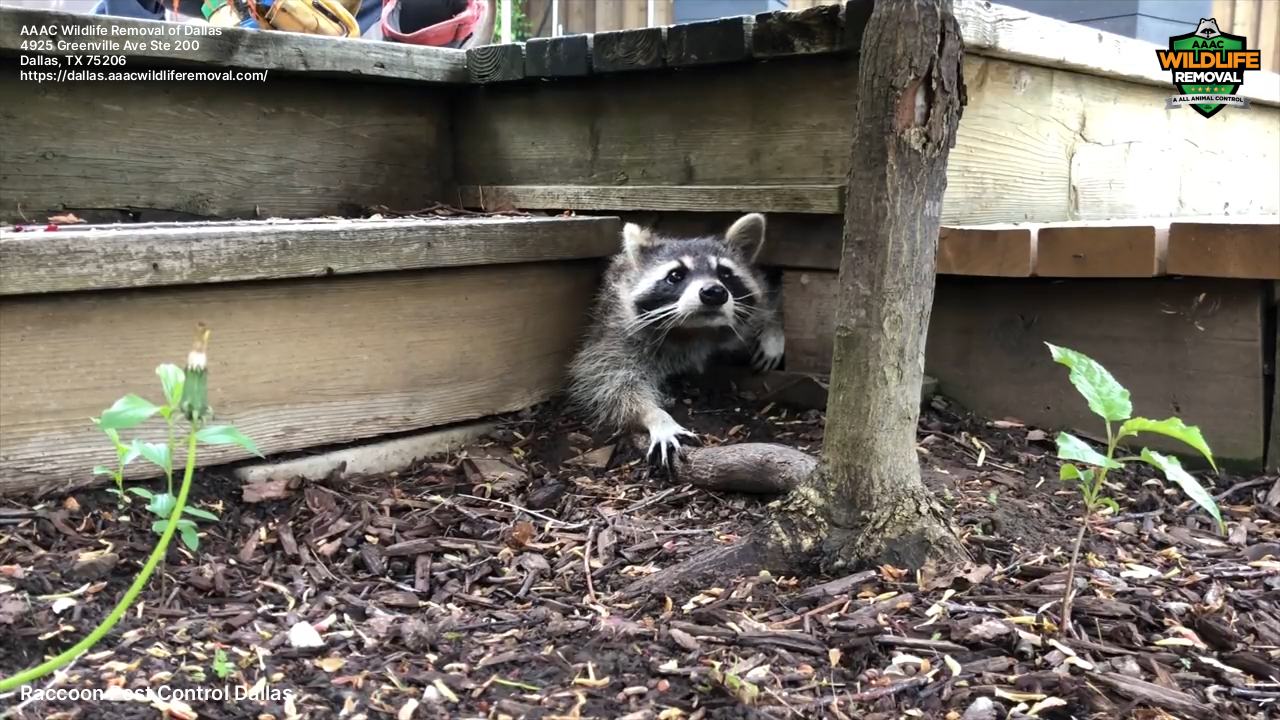
Raccoons look for give. A weak soffit panel is an invitation. Attic fans with deteriorated housings are a common failure point. Raccoons do not need to chew much. They pry. If you see muddy paw prints around a roofline or footprints on a downspout, inspect every corner where the soffit meets fascia. Capped chimneys with light-duty screens are another favorite, particularly if there is nesting material visible.
Bats love repeatable seams. Quarter inch to half inch gaps under ridge caps, gable vents with louvers that have flex, and voids behind fascia boards are prime spots. You will see rub marks that look like faint soot around the seam and guano accumulating below. Bats choose quiet areas with stable microclimate. They shun turbulent chimneys and drafty soffits except in summer when pups need heat.
Birds, while not always handled by a wildlife exterminator, complicate inspections. Starlings exploit dryer vents and soffit voids. Their nesting debris often convinces squirrels or rats to follow, so a bird problem can snowball. If you see nesting material pushed out of a vent, assume you have a secondary entry candidate nearby.
Snakes often use rodent-made holes. If a client reports snake sightings indoors, I look for rodent runways first. Follow the prey, you will find the path.
The reveal at roof level
Every major wildlife exclusion I have done hinges on a full roofline inspection. The roof is a system of edges and penetrations. Any place a roofer cut and patched is a potential entry point if not flashed and fastened correctly.
Start at the eaves. Check drip edge alignment. A drip edge tucked under rather than over the underlayment can leave a narrow slot. Look at soffit panels for sag. Vinyl soffits can be popped out by raccoons with little effort. Aluminum dents and reveals gnaw marks. Wood soffits show bowing where moisture has loosened nails.
Move to the rakes. Gable ends often have decorative returns where the soffit meets the roof face. That return traps wind and moisture. Squirrels and birds love it. Pull gently on trim to check for give. A half inch of flex is all a raccoon needs to start a tear.
Check every penetration: plumbing stacks, furnace vents, satellite mounts, solar attachments. Boot seals crack after five to seven years in harsh sun. A cracked boot might not admit water yet it can admit a bat. A poorly sealed satellite cable hole can widen under UV exposure and scratching to a rat-sized entry in a season.
Ridge vents merit careful attention. Plastic vents with louver slots provide airflow, but some models are too flexible and leave room for bat ingress when nails back out. Metal ridge vents resist compression better but can gap at seams. When I see missing fasteners or a lifted ridge cap, I measure and inspect with a probe. A quarter inch seems small until you see the bat rubs.
Dormers test patience. They add joints, flashing steps, and complicated trim. Animals use the wind shadow behind dormer cheeks to their advantage. Follow the step flashing up each side. If the siding ends without a proper kickout at the lower edge, water and critters slip behind. Look under the doghouse roof for daylight where the dormer ties into the main roof. That is a classic squirrel gap.
The quiet evidence inside
After the roof, I spend time in the attic with the lights off. Let your eyes adjust. You want to see daylight where you shouldn’t. Tiny stars of light under ridge lines or thin halos at gable ends point to openings. If daylight marks a seam, I track it back to its exterior equivalent and check whether the gap connects or is isolated by sheathing.
Listen for air. Even on a still day, temperature differences drive attic airflow through small leaks. A faint hiss near a seam may be more telling than any visible crack. Bats especially gravitate to those slow, predictable drafts.
Look for paths in insulation. In blown cellulose, recent traffic appears as narrow, crisp-walled grooves. Older paths slump and soften. Fiberglass batting will hold body imprints and show seeds or nutshell fragments. Urine stains in insulation glow under UV. If stains form a line toward a gable or soffit, you have a lead. I have followed urine glow across three truss bays to a gap at a trim return that was invisible from outside.
Check the back of gable vents. Many look solid from the yard and are wide open inside. I also inspect around ceiling cutouts where bath fans and can lights penetrate. Wildlife rarely enters there, but these are good reference points for understanding airflow, which helps separate ventilation leaks from animal holes.
Weather, season, and timing shape the search
When you look matters. On hot afternoons, attic convection can exaggerate airflow and make every imperfection seem like an entry. I prefer early morning or late evening for inspections, when temperature gradients sharpen wildlife habits as well. Squirrels depart soon after sunrise and return near dusk. Bats emerge at twilight. Rats move at night but leave fresh tracks by dawn.
Seasons alter materials. Wood swells in wet months and shrinks in dry months. A gap that seems tight after rain may open twice as wide during a dry spell. I calibrate expectations by weather history. After a summer drought, expect more chew marks at shrunken fascia joints. After a winter storm, look for panels knocked loose by ice weight.
Wind hides or reveals. A stiff breeze can scatter guano or move soffit panels, masking the true location. Conversely, a light crosswind may push attic air out through the main opening and flag it with a leaf caught on the edge. I have found bat exits by watching a single oak tassel flutter at a ridge while the rest of the roof sat still.
Verification tactics pros rely on
Any trapper who claims certainty without verification invites a call-back. You need proof you have found the primary entry, not just an opening. Proof comes from behavior and controlled tests.
I use live observations at dawn and dusk to confirm bat and squirrel exits. With binoculars from a safe vantage point, count the animals and note the exact seam they use. If they split between two areas, you have two primaries, not a primary and a curiosity.
For rats, I deploy non-toxic tracking patches made of chalk or talc. Place them at suspected access points. Returning rats will leave footprints, and the direction of the smear indicates in or out. In attics, I sometimes dust a light band of non-toxic powder near suspected holes and return the next day. Disturbed powder tells the story.
Smoke pencils show airflow direction through gaps. If smoke is consistently pulled in at a soffit seam during a quiet period, that seam likely communicates with the interior space. Use sparingly with bat jobs. Smoke and bats do not mix well, and your goal is diagnosis, not disturbance.
Trail cameras can help, but they are a supplement. Set them only when you can control vantage, avoid false triggers, and do not create new scent trails that change behavior. I place cameras to watch two or three suspected openings and compare traffic. The opening with repeated entries and exits by adults is your primary.
Entry points that fool newcomers
There are gaps that trick inexperienced technicians and DIYers. A few deserve special mention.
Aesthetic gaps built into some siding systems look alarming from the outside. Squirrels rarely use them, but rats may if they connect to sheathing voids. The remedy is not caulk everywhere, which could trap moisture, but targeted backer rod and hardware cloth behind the siding where it meets structure.
Weep holes in brick veneer are intentional. Plugging them with steel wool or foam invites mold and trapped water. Rodents can use weeps occasionally if the internal cavity connects directly to the sill or garage. The fix is a breathable weep guard that allows drainage while blocking intrusion. Anyone in wildlife removal should know the difference between a weep that needs a block and a weep that must stay open.
Gable vents fool people. The louver slats look tight, but the screen behind often ends short of the frame or is stapled to soft wood. From the attic, press on the screen. If it flexes or you can push a finger past the frame, upgrade it with rigid wire cloth framed and screwed, not stapled. Combine that with exterior louver protection that does not impede airflow.
Garage door corners look sealed, but the rubber astragal leaves a triangular void at the bottom edges where rodents come and go. A rat can pass under a door that looks closed. Look for chew at the lower jambs and rub marks on the door itself. The remedy is a rigid rodent guard in the astragal and aluminum angle on the jamb.
Chimney tops with caps that appear solid can have side gaps under wind-driven rain shields. Bats slip under those edges easily. If the cap attaches with light sheet metal to a flue tile, check every corner. Upgrading to a full-coverage crown-mounted cap often stops both wildlife and water intrusion.
How professionals close the loop: exclusion after discovery
Finding the entry is half the job. The rest is wildlife exclusion that holds through weather and seasons. If a wildlife trapper does not think like a carpenter and a roofer, their fix will fail or cause water problems. You want closure that can flex with the house, resist chewing and prying, and shed water.
I use galvanized or stainless hardware cloth with quarter inch openings for bats and rodents, cut oversized so it can be hemmed and fastened under trim rather than exposed. For raccoon-prone areas, I back the cloth with a metal flashing or an edge of coil stock to distribute force. Fasteners matter. Use exterior-rated screws with wide heads or washers. Staples alone invite a repeat visit.
Sealants are not a cure by themselves. Foam is a stopgap, not a barrier. Rodents chew foam like dessert. I use foam sparingly as a backer, then cover with sealant and mechanical protection. Polyether or high-quality silicone stays flexible longer than cheap latex. On masonry, mortar or hydraulic cement beats caulk for durability.
At ridge vents, I either replace flimsy designs with a bat-safe model or add a continuous metal underlay with a fabric insect barrier. For gable vents, I mount hardware cloth on the interior face with a custom wooden or metal frame, then weatherstrip the exterior trim to reduce airflow that attracts bats.
On soffit returns, I rebuild if the wood is punky. Patching rotten fascia one small spot at a time is asking for raccoon leverage. Replacing a whole board and tying it into rafters eliminates the weakness animals exploit.
Timing the one-way doors
One-way doors are the humane heart of wildlife control. They allow animals to leave and block their return, after which you permanently close the gap. Timing matters. You cannot install bat one-way devices during maternity season when non-volant pups are inside. Squirrel evictions must avoid trapping juveniles who cannot negotiate the flap.
For bats, I use one-way tubes or net cones after confirming no pups, generally late summer or early fall in many regions. I install them on every active seam I have verified, not every seam that exists. One-way devices on inactive gaps confuse things and waste time. After a week of clear weather and no re-entry evidence, I remove the devices and seal.
With squirrels, I favor a one-way door at the primary hole and leave a few minor test gaps temporarily sealed with removable material. If they chew those open during the exclusion period, I reevaluate what I thought was primary. This approach avoids closing the house too tightly too fast, which can divert an animal into a living space.
Rats rarely get one-way doors on the structure itself. They need a habitat approach. Close structural entries while offering baited stations or traps outside. The aim is to redirect and reduce pressure before full close-up. If you shut every hole at once without decreasing population pressure, you risk them chewing a new, worse hole.
Communicating findings to the homeowner
The best wildlife control outcomes happen when the homeowner understands the map of their building. I sketch rooflines, mark routes I observed, and show photos of each entry point. People grasp the need for comprehensive wildlife exclusion when they see how a raccoon can pry a loose soffit panel two bays over even if you seal the obvious hole.
Avoid jargon. Explain the priorities: stop the main entry, install one-way if appropriate, reinforce weak spots along animal routes, and reduce attractants like overhanging limbs and dense ivy. If a client insists on a partial fix, document the risk. A wildlife exterminator who overpromises with a patch on one hole sets up a return call.
A compact field checklist you can use
- Stand back and map routes: trees, fences, cables, downspouts, and roof edges that connect. Inspect roofline edges and penetrations: soffits, gable returns, ridge vents, chimney and stack flashing. Read the signs: fresh chew brightness, oil rub sheen, droppings condition, insulation tracks. Verify with tools: thermal for heat leaks, smoke for airflow, UV for urine, borescope for voids. Confirm behavior: dawn or dusk observation, tracking dust, or cameras as needed.
Why method beats luck
I have taken over dozens of jobs where three different companies set traps for months without lasting relief. Each missed an entry point by inches because they relied on sightings, not systems. True wildlife removal combines behavior knowledge with a building-wide inspection. You locate entries by seeing the house as an animal corridor and by testing, not guessing.
The payoff is not just fewer callbacks. A correct diagnosis means fewer animals trapped, less stress on wildlife, and a home that breathes correctly without extra water or mold problems. Wildlife control done right is quiet, almost invisible work. The best days end with a homeowner sleeping through the night, unaware of anything except the absence of scratching overhead.
If you take nothing else from a trapper’s playbook, take this: find the path before you set the trap. Entry points are not random. They are the predictable intersection of animal habit and structural weakness. Learn to read both, and you will solve problems that glue traps and peanut butter never could.